Home / Wind
Wind energy
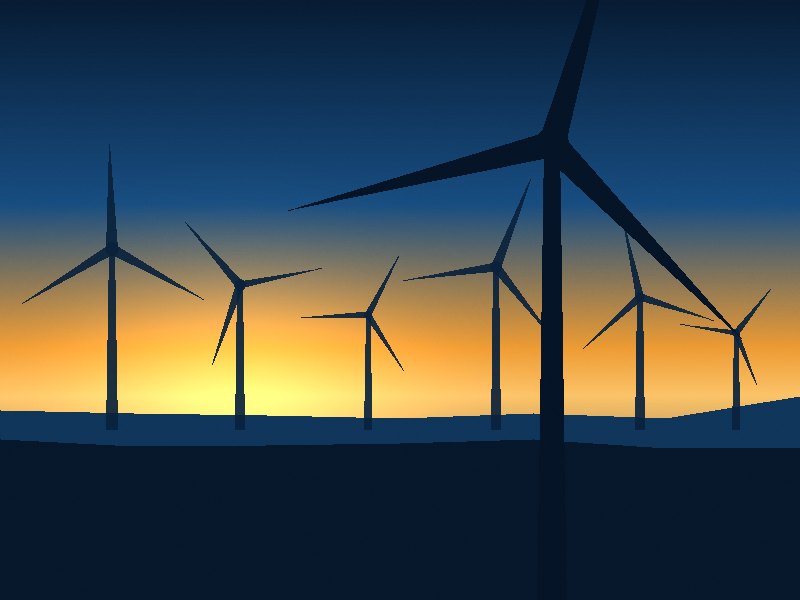
Small turbines from 1 kW to 5 kW for rural sites and coastal plots — usually paired with solar so that the two cover each other.
Moving air, turned into current
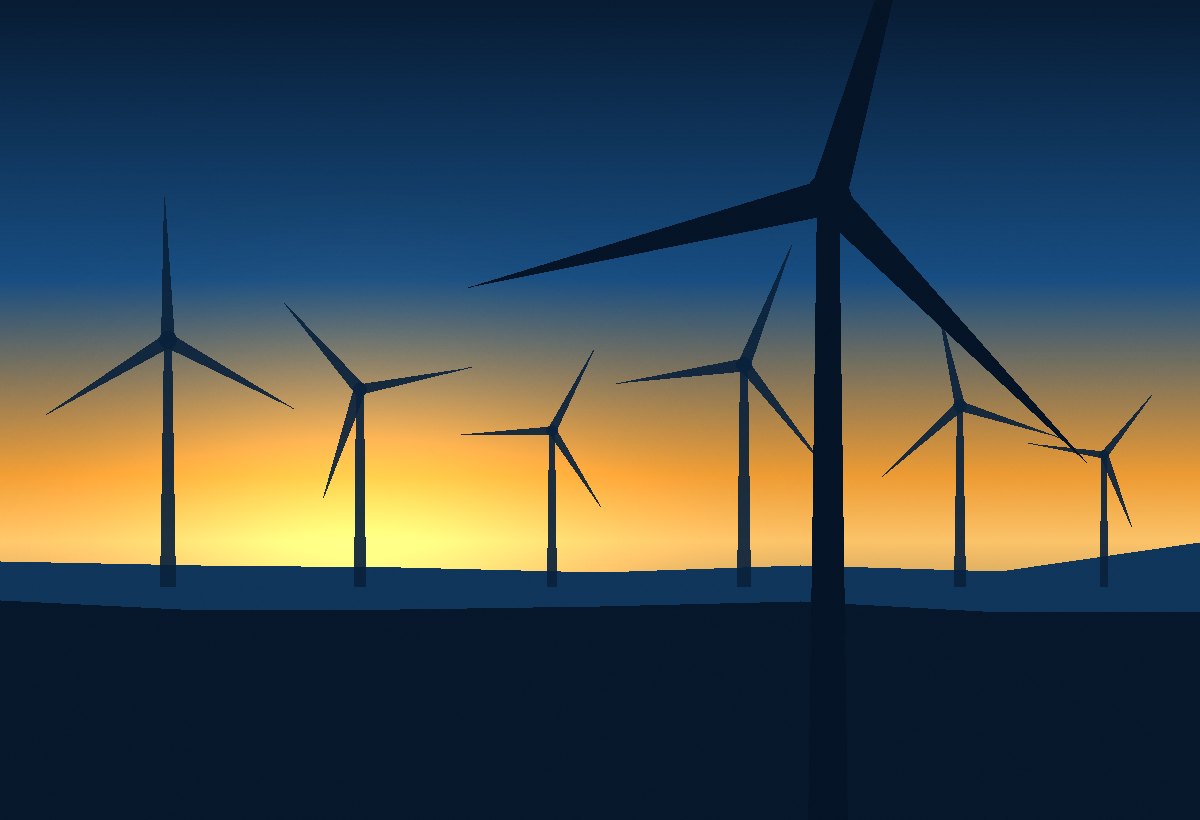
A wind turbine converts the speed of moving air into rotation, and rotation into electricity. Blades turn a shaft, the shaft drives a generator, and the generator produces AC power for the building, the grid or a battery bank.
Wind is a site-specific resource in a way solar is not. Two plots a kilometre apart can give very different results depending on obstructions and terrain. We measure before we recommend — and if the wind is not there, we will tell you.

How it works
Wind turns the blades
The rotor starts producing usefully from roughly 3–4 metres per second.
Blades turn the shaft
Rotation is carried into the nacelle through the main shaft.
The shaft drives the generator
Mechanical energy becomes electrical energy.
The generator produces AC
Conditioned by the controller before it goes anywhere.
Power is used, stored or exported
To the building, a battery bank, or the grid.
Wind pays where the wind is. We measure first, and sometimes the answer is no.
The options
| Type | Characteristics | Best for |
|---|---|---|
| Horizontal axis (HAWT) | The conventional three-blade design. Highest efficiency, needs clean airflow and height. | Open rural plots — the most common choice |
| Vertical axis (VAWT) | Takes wind from any direction, quieter, needs less space, lower output. | Built-up and urban sites, small projects |
| Small turbine (1–10 kW) | Domestic scale, designed to sit inside a hybrid system alongside solar. | Farms and homes in rural areas |
What we do

Wind resource assessment
Measuring actual wind speed at your site before anyone commits money to a turbine.

Small turbine installation
1 kW to 5 kW turbines including foundation, mast, wiring and commissioning.

Wind–solar hybrid design
Sizing the two sources together so the system is not oversized on either side.
Off-grid rural systems
Standalone wind for locations the grid does not reach reliably.
Hybrid inverter and battery
Controller, inverter and battery bank set up as one coordinated system.
Maintenance and AMC
Scheduled inspection of blades, bearings, fasteners and the mast.
Where it earns its place
- Generates at night and through cloudy weather, when solar cannot
- Complements solar directly — output rises as sunlight falls
- Strong option for open rural land
- 20 to 25 years of turbine life
- Low running cost once installed
- Works as the second source in a 24×7 hybrid design

Honest caveat: small wind only makes financial sense where average wind speed is genuinely good. The assessment comes first, and the answer is sometimes no.